24/7 Emergency Tree Services in Bothell, WA
Trees Don't Have Schedules — We Do!
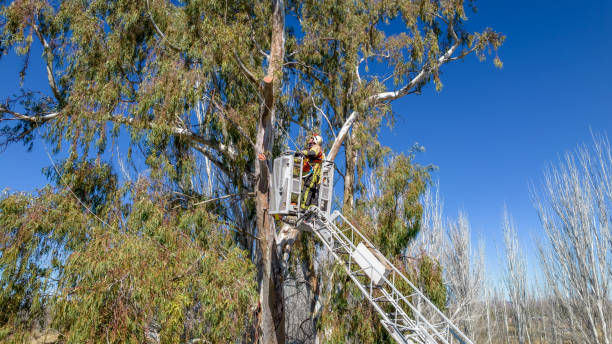
Tree emergencies don’t follow a schedule. Unexpected storm events (wind, snow, freezing rain), extreme weather, accidents, or other forms of natural disaster can occur during any hour of the day or night, putting people, their property, and their peace of mind at risk. With a tree emergency, time matters. The Bothell Tree Experts’ Emergency Response Team is available 24 hours a day, 365 days per year for emergency tree service calls.
Emergency tree service requires immediate professional assistance, whereas standard tree services allow for scheduling several days or even weeks in advance. An emergency will always require an immediate response, which includes a rapid inspection of the affected area and then taking the necessary actions immediately to ensure safety and limit potential damage.
Bothell Tree Experts’ emergency crews have all the equipment and experience they need to provide a prompt response to your emergency tree service needs, typically responding to your call within 1-2 hours. We know how stressful, frightening, and disruptive emergency tree service situations are. Whether a tree falls onto your house, there are overhanging branches, or debris blocks access to your property due to a storm, we understand you need professional assistance as quickly as possible. Our emergency service is much more than just technical tree service; it provides you with confidence, expertise, and rapid relief from your tree service crisis.
Common Tree Emergencies We Handle
Emergency Tree Situations That Require Immediate Response
There are several ways that emergency conditions arise from trees; however, there is an underlying commonality: All of these situations are urgent because they pose an immediate risk to public safety, and can lead to increased costs for repair if they are not addressed immediately. The following are the most common emergency tree conditions that we encounter in both the Bothell area and surrounding communities.
Structural Hazards Due to Fallen Trees
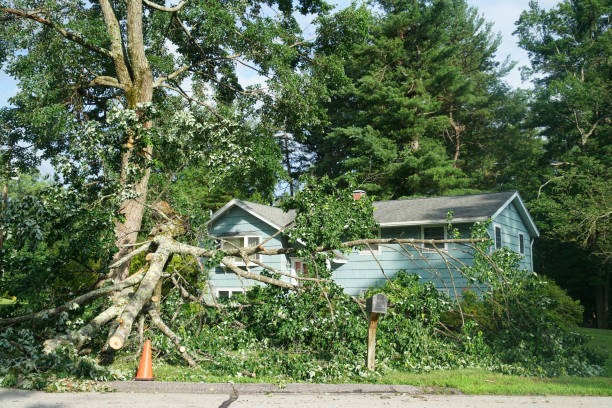
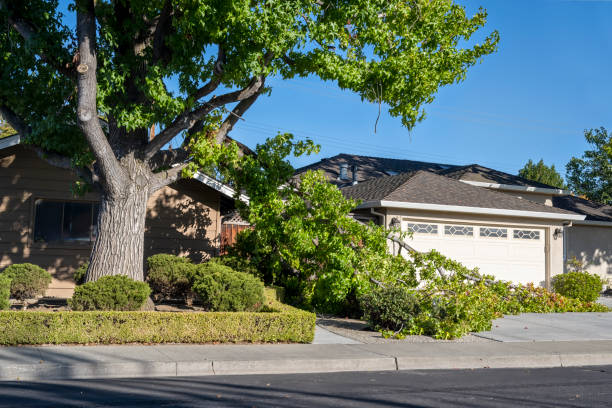
Trees or Large Branches that Fall onto Buildings: Trees or large branches that fall onto houses, garages, sheds, or other buildings pose a direct hazard and allow water entry into buildings through windows, doors, and roof penetrations.
Vehicle Entanglement by Falling Trees
Trees or Large Branches Falling on Vehicles: Trees or large branches falling on top of vehicles in driveways, parking lots, or streets pose a hazard to both people and vehicles; thus, it is important to remove them as quickly as possible to avoid additional damage and restore vehicle access.
Broken or Hanging Limbs (Widow Makers)
Dangling or Partially Broken Branches: Branches that are either partially broken or dangling above are some of the most hazardous tree conditions because they may drop at any time, resulting in serious injury or loss of life.
Damage to Property Caused by Storms and Falling Trees
Storm Damage: High wind storms with heavy rain, hail, ice, or snow are typical storm conditions in the Pacific Northwest, which result in significant damage to trees and subsequently numerous hazards on properties throughout this region.
Trees Blocking Access to Homes, Businesses, and Services
Blocked Access: Trees that have fallen across driveways, roads, or walkways restrict access to homes, businesses, or emergency services.
Trees on Electrical Wires
Contact with Power Lines: Trees or branches that come into contact with power wires represent life-threatening hazards and require immediate professional response and coordination with utilities.
Instability and Sudden Tree Leaning
Unstable or Leaning Trees: Unstable trees, leaning or appearing to be about to fail, represent an immediate hazard and require an immediate evaluation and emergency stabilization or removal.
Get A Free Quote
Storm Response and Severe Weather Services
Preparation, Response, and Recovery
The Pacific Northwest can have some very intense weather, particularly in the Fall and Winter months during storm seasons. We take a proactive approach to handle tree-related storm issues from the time leading up to severe weather, through the duration of the storm, and after the storm has passed.
Pre-Storm Preparation
Pre-Storm Hazard Tree Assessments: In advance of storm season, we assess your trees to identify potential storm hazards such as:
- Weak branch attachment.
- Poor tree attachment (leaning).
- Dead/dying trees.
- Trees that could potentially cause damage if broken off due to strong winds.
Preventative Pruning: Prune your trees to reduce wind resistance, remove weak branches, thin out dense canopies, and eliminate deadwood prior to the onset of the storm.
Tree Support Systems: If you have one or more valuable trees with structural weakness, we will install cable bracing systems, prop systems, or other types of support systems to stabilize the tree structure during the storm.
Developing an Emergency Plan: Identify emergency contacts, prioritize which trees to respond to first, create a plan to ensure there is adequate access for emergency vehicles and equipment, and create clear lines of communication.
Advantages of Preparing Before a Storm: The advantages of preparing for a storm include greatly reducing the risk of damage occurring, preventing most emergencies prior to their occurrence, creating peace of mind, and being much less expensive than responding to an emergency situation and repairing damage.
Storm Response – Active Response
Active Storm Response: When the storm hits, our crew will monitor the situation and begin responding as soon as it is safe to do so.
Prioritizing Calls: We will utilize a call prioritization system during major storm events. Priority number one is life safety, then property protection, then restore access to utilities/equipment, and lastly general damage.
Customer Communication: We will communicate with our customers regarding estimated times for response, what priority the customer’s request is, etc.
Working with Other Agencies: We will work with utility companies, emergency services, local government agencies, etc., when there are widespread storm events.
Extended Work Schedule: When major storms hit, our crews will work extended hours to meet the high demand of emergency calls.
Post-Storm Cleanup and Restoration
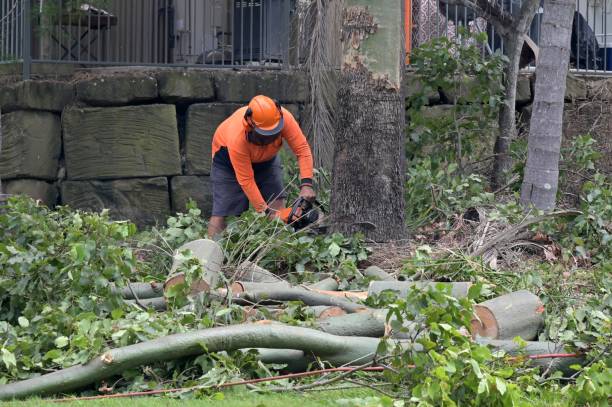
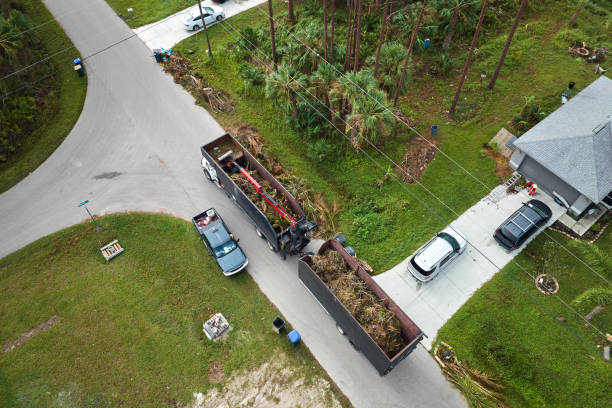
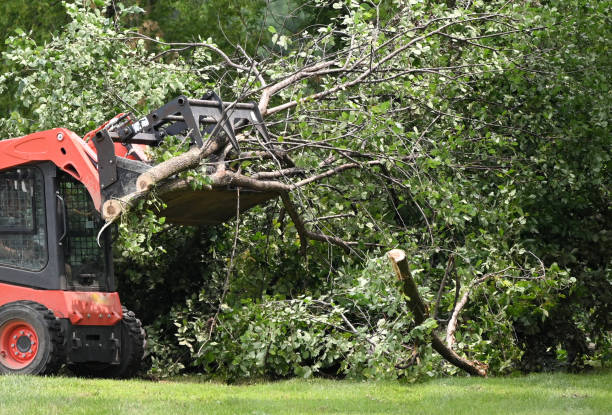
Post-Storm Cleanup: Once we have completed the initial emergency repairs, we will complete a full-scale cleanup, including removing all branches and debris from the storm, processing the downed wood and chips, cleaning the affected area, and returning the property to its original appearance.
Storm-Damaged Trees: We will assess the health of any remaining standing trees damaged in the storm to determine whether they will recover or need to be removed.
Recommendations for Future Maintenance: We will identify any other trees that were stressed or damaged during the storm that may require future maintenance before the next significant weather event.
Providing Insurance Documentation: We will provide detailed documentation to support your insurance claim(s) for damage caused during the storm.
Our Emergency Response Process
How to Respond to a Tree Emergency and What to Anticipate from Our Emergency Services
You need to be able to count on your emergency services company to respond quickly and efficiently to provide a resolution to your crisis. This is exactly what our emergency services will do.
1. Initial Contact and Assessment
Emergency Call Answered by a Live Person, Not a Recorder or Automated System: When you make contact with us regarding an emergency, we will put you in touch with a live person who has knowledge about trees and emergencies. Time is important when there is an emergency.
2. Arrival at Your Location (Rapid Response)
Prompt Arrival: We normally arrive at your location within 1–2 hours of receiving an emergency call in our designated service area. Emergencies involving life-threatening danger are always given top priority.
3. A Quick Inspection of the Area for Hazards and Safety Concerns
Inspection Prior to Any Work Being Performed: Before starting any work, we will inspect the entire area for any potential hazards, including: electrical dangers, structural instability, hanging trees or branches, natural gas leaks, unstable debris, and potential for secondary collapse.
4. Determine the Order of Operations
Sequence of Operations Based on Priority of Safety: After conducting a hazard assessment and identifying immediate dangers, we will develop a plan of action that addresses safety concerns first, protects the property second, and completes clean-up last.
5. Execute the Plan to Remove the Trees
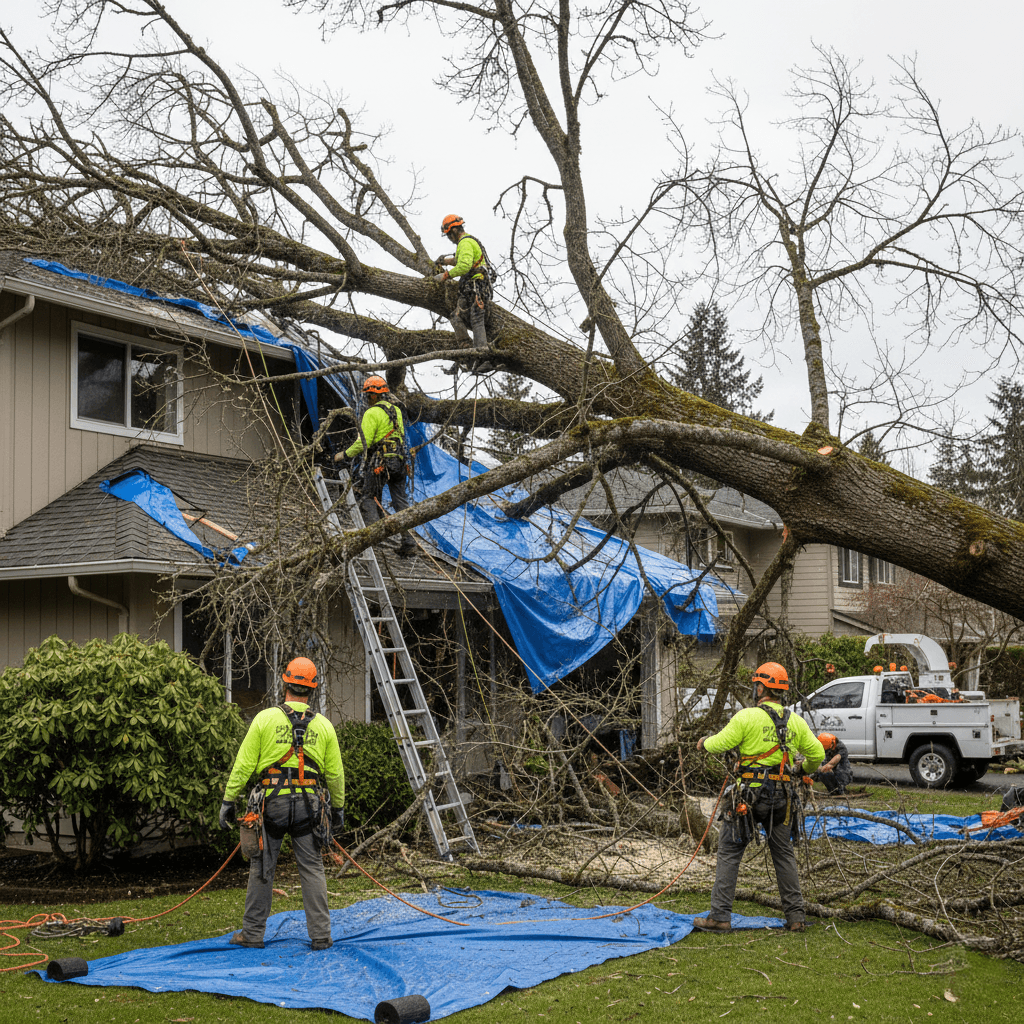
Safety First Always: Although time is of the essence in emergencies, we will always take the necessary precautions to ensure that both you and our staff remain safe. We will utilize proper personal protective equipment, methods, and procedures that we have developed over years of experience, and carefully consider each step before taking it to protect everyone.
6. Protect Property Damaged by Fallen Trees
Protecting Weather Damage to Property: If fallen trees have damaged your roof or wall(s), we can provide temporary protection by installing tarp(s) or other covering materials to prevent further weather damage until you can obtain permanent repairs.
7. Document Damage and Clean Up
Documentation for Insurance Claims: As part of our emergency services, we will document through photographs any damage caused by the fallen trees, our clean-up efforts, and the before, during, and after conditions of your property.
8. Coordinate Remaining Work
Determine Remaining Work Needed: At the end of the initial emergency response, we will evaluate what, if any, additional work may be required to fully address your emergency needs, such as stump grinding, additional tree inspections, preventative maintenance pruning, etc., to completely restore your property.
What Makes Our Emergency Service Different
Why Bothell Property Owners Trust Us in Crises
Emergency tree services require much more than a simple understanding of how to take care of trees. An emergency tree service needs to be able to respond rapidly, manage a crisis, and perform well under extreme pressure. Below is why our emergency service is so far ahead of others.
Always Open for Business – True 24/7/365 Availability
Emergency Call Answered Immediately: Unlike some companies that claim to offer emergency services but provide nothing but a call-back system, we always answer calls immediately – 24 hours a day, 365 days per year (including holidays). No waiting to talk to someone who can send out help right away – no “we’ll call you back” during real emergencies.
Year-Round Readiness – Not Seasonal
Consistent Emergency Capabilities: Our emergency capabilities never vary from one season to another. We are ready at all times to assist whenever an emergency occurs.
Holidays Included – Tree Emergencies Never Take Holidays Off
Available on All Holidays: We understand that tree emergencies do not recognize holidays. We will be there for you on Thanksgiving, Christmas, New Year’s Day, or on any other holiday when other companies may be closed.
Fast Response Times
Promptly Dispatched – Quick Response Time: In most cases, our emergency crews will be dispatched and on their way within 15–30 minutes after receiving your call for a true emergency.
Close Proximity To All Areas Of Service – Strategic Location: Because our Bothell office is strategically located near many areas that we serve, we are able to respond quickly to most emergencies.
One To Two Hours Or Less After Receiving Your Call – Most Locations In Primary Area: We usually arrive at most locations within 1–2 hours of receiving your emergency call – often sooner for life-threatening situations.
Multiple Emergency Crews Deployed – Major Storm Events: During a major storm event, we will often deploy multiple emergency crews to handle high volumes of emergency calls.
Emergency Situations Handled By Experienced Teams And Professionals
Veterans Handle The Calls – Most Experienced Crew Members: All of our emergencies are handled by the most experienced crew members, who have dealt with almost every possible kind of tree emergency.
Crisis Situation Decision Making – Experience Under Pressure: Years of emergency response experience allow for quick decision-making under pressure.
Hazards Identified and Managed – Safety Experts: When dealing with emergencies, hazardous conditions exist. Our crews have received advanced training in recognizing hazards and managing those risks.
Stay Calm And Professional – Efficient Problem Resolution: Even in chaotic situations, our crews will stay calm and professional while focusing on efficiently resolving problems.
Equipment Is Fully Stocked
Multiple Trucks Equipped With Complete Sets Of Tools & Supplies: Our emergency vehicles are equipped with complete tool sets including multiple chainsaws, rigging gear, climbing gear, generators and lighting, tarps and protective gear, and safety equipment.
Redundant Equipment – Tools and Supplies Available If Needed: To make sure we can continue working on emergencies even if primary equipment fails, our trucks also contain redundant tool and supply equipment.
Safe Nighttime Operations – Generator Powered Lighting: Generator-powered lighting on our emergency vehicles allows for safe and efficient operations at night.
Advanced Specialized Tools – Large Capacity Chippers, Crane Access When Required, and More: Our advanced and specialized equipment includes large capacity chippers, crane access when required, specialized rigging systems, and more.