Professional Tree & Plant Health Care in Bothell, WA
Comprehensive Tree Care for Thriving Trees
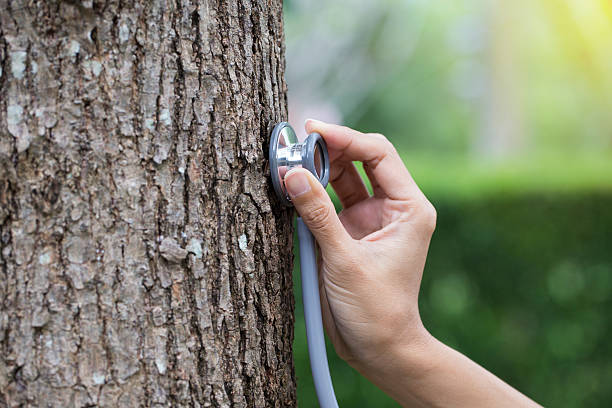
Just like all living things, trees have the capacity to be damaged by disease, pest infestation, nutritional deficiency, and environmental stress. Therefore, when trees exhibit signs of decline (i.e., discolored leaves, dead limbs, abnormal growth, etc.) and/or pest infestation, they require a professional evaluation and treatment to regain their health. At Bothell Tree Experts, we have an ISA Certified Arborist who provides expert assessment, accurate diagnosis, and effective treatment plans to maintain the health of your trees.
Tree care for health differs from pruning and removal in that it requires a deep understanding of tree biology, pathology, entomology, and soil science. Our certified arborist understands how trees operate, what symptoms mean specific problems, and what will effectively resolve those problems. Unlike simple pruning, we address the cause(s) of the problem instead of just treating the symptoms. This ensures the long term health of the tree versus a quick fix.
Bothell’s Pacific Northwest Climate poses many challenges to tree health. The wet winters create an ideal environment for fungus to grow on the trees, dry summers create stress to the trees, and many pests pose a threat to both native and ornamental trees. Local experience is important when identifying and treating tree-related problems, as our arborists know the local diseases, pests, and conditions affecting trees in the Bothell area and the most effective treatments for these issues in this region.
Early detection of tree health issues is essential to maintaining the health of your trees. Most tree diseases and pest problems are easily managed if identified and treated early; however, they often become untreatable once they advance. If you notice any changes in the appearance, growth or health of your trees, contact us for an evaluation to determine if the issue can be resolved through treatment, potentially saving the life of your trees and avoiding the cost associated with removing them.
Signs Your Trees Need Need a Doctor
Recognizing Symptoms of Tree Decline
If you know how to read your trees’ signals, you will be able to see if they are healthy or if it’s time to call a doctor. Trees send us many messages about their overall health. By being able to read these signs, you will be able to tell if you should call a doctor for your trees.
Problems with Foliage
Discoloration of Leaves: Yellow or brown leaves that are not the seasonally expected color, as well as leaves with strange colors, could mean that your tree has a nutrient deficiency, disease, damaged roots, or environmental stress.
Early Seasonal Leaf Drop: If your tree drops an unusually large amount of leaves before the fall season begins, this could be a sign of stress, such as drought, disease, pest, damaged roots, or something else.
Unusual Marks or Spots on Leaves: Powdery white or black coating on leaves, round patches, irregular shapes, or other marks on leaves usually mean that your tree has been infected by fungi or bacteria.
Trunk/Branch Problems
Damage to Bark: Missing, cracked, split, or peeled bark needs a doctor.
Cankers: Swollen, sunken, or discolored areas on the trunk or branches with oozing sap or unusual discoloration could mean your tree has a disease.
Holes/Tunnels: Holes in bark or sawdust near the tree base, or visible tunnels in the tree, could mean that there are wood-boring insects eating away at your tree.
Root/Soil Problems
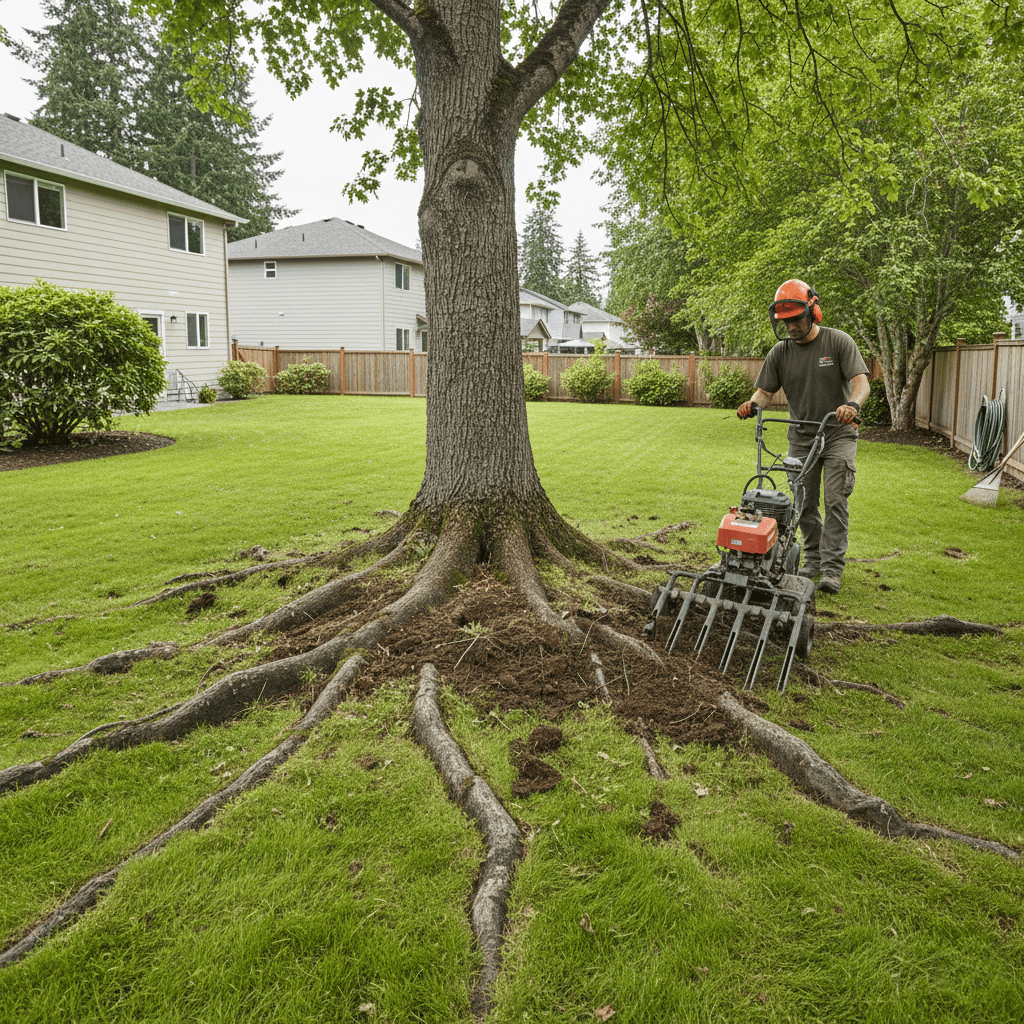
Exposed Roots: Erosion, compaction of soil, or a change of grade, causing the root system to be exposed, could cause stress to your tree and could indicate other problems.
Growth of Mushrooms Around the Trunk: Fungi growing around the base of the trunk indicate root rot or decay in the root system. This is a serious problem that requires a doctor.
Poor Drainage of Water: Consistently standing water around your tree, or water-saturated soil, could indicate poor drainage, which could eventually lead to root rot and decline.
Pests/Diseases
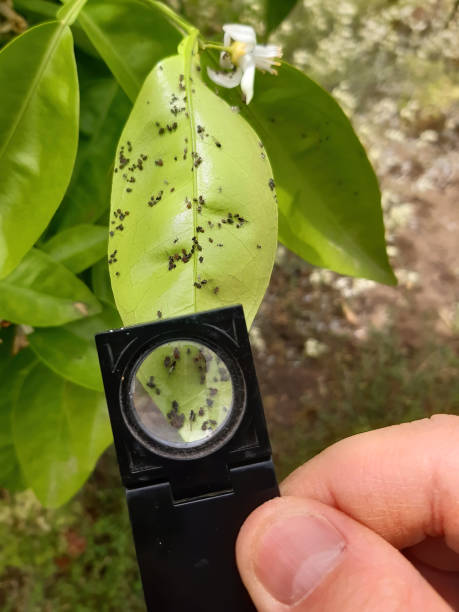
Large Amounts of Insects: A large population of aphids, scales, caterpillars, etc., on leaves or branches indicates that you have a pest problem and need a doctor.
Webs: Fine webs on leaves created by spider mites, or larger webs in branches created by tent caterpillars.
Sticky Substance: Sticky residue on leaves, branches, or objects under your tree indicates that you have a pest problem with sap-sucking insects such as aphids or scales.
General State of the Tree
Slow Growth: The tree is growing much slower than usual or producing less than normal new growth could be a sign of problems with its health.
Branch Tip Die Back: Branches die back progressively is a sign of serious stress or disease, or vascular problems.
Sudden Lean of Tree: Sudden leaning of the tree indicates that either the tree has a root problem, or structural problems that need to be fixed right now.
Get A Free Quote
Common Tree Diseases in Bothell
Understanding Local Tree Health Threats
Tree diseases are a significant threat to the Bothell area landscapes. Knowing what tree diseases are likely to occur in your area will allow for earlier identification and prompt action for treatment.
Anthracnose
Trees Affected: Dogwood, oak, maple, ash, sycamore.
Disease Symptoms: Irregular brown patches may develop on the upper surface of leaves, leaves may begin to curl up prematurely, they may drop off before their normal time, and there is often a dead branch or twig tip.
Disease Cause: Cooler than normal, wetter than normal spring weather creates an environment for anthracnose fungal pathogens to grow and thrive.
Recommendations for Treatment: Fungicides should be applied during bud break and leaf emergence. Sanitize your yard by removing all infected leaves, which will reduce further infection. Prune your trees so air flows better.
Powdery Mildew
Trees Affected: Dogwood, crabapple, lilac, oak, and many other ornamental trees.
Disease Symptoms: White or light gray powder develops on the top side of the leaves. The leaves may become misshapen and then drop off before their normal time.
Disease Cause: Shaded areas with moderate temperature conditions create environments that favor powdery mildew development.
Recommendations for Treatment: Apply a fungicide when you see symptoms beginning to develop. Increase the amount of sunlight the trees receive by pruning nearby vegetation. Select plant varieties that have resistance to this fungus.
Root Rot (Phytophthora)
Trees Affected: Rhododendron, azalea, juniper, cedar, yew, and many other types of trees.
Disease Symptoms: Leaf yellowing, wilted leaves, dead branches, discolored roots, and a thinner canopy.
Disease Cause: Water molds create conditions for root rot to occur when the soil is consistently saturated.
Recommendations for Treatment: Improve the drainage in the affected area. Do not overwater. In extreme cases, apply a fungicide soil drench. Remove the most seriously infected plant.
Armillaria Root Rot (Oak Root Fungus)
Trees Affected: Oak, fruit trees, coniferous trees, and many different landscape tree species.
Disease Symptoms: Decline, dead branches, mushroom growth around the base of the tree in late fall, and white growth of the fungus under the bark near where the roots enter the trunk.
Disease Cause: A type of fungi causes Armillaria root rot by killing roots and spreading to adjacent roots of other plants.
Recommendations for Treatment: There is no cure for Armillaria root rot. Cut down the infected tree and remove as much of the root system as possible. Avoid planting additional susceptible species in the same area.
Apple Scab
Trees Affected: Apple, crabapple, mountain ash.
Disease Symptoms: Greenish-black spots on the leaves and fruit, leaves drop off too early, and fewer flowers are produced.
Disease Cause: The apple scab fungus lives in the leaves that fell off during the previous growing season and spreads rapidly during the wet days of spring.
Recommendations for Treatment: Use fungicides throughout the growing season from when the buds swell until early summer. Sanitation, such as raking away fallen leaves and using disease-resistant apple varieties, is also an important practice.
Fire Blight
Trees Affected: Apple, pear, crabapple, hawthorn, mountain ash.
Disease Symptoms: Sudden wilting and turning of shoot tips into blackened, twisted shoots (“shepherd’s crook” appearance). Cankers develop on stems and branches. Blossoms are killed and turn a brownish color.
Disease Cause: Bacteria cause fire blight that spreads from one plant to another via wind, insects, and contaminated gardening equipment.
Recommendations for Treatment: Remove all infected branches 8 to 12 inches below the first sign of damage. Disinfect your tools between each cut. Apply antibiotics during the blooming period if allowed. Choose varieties that are known to be less susceptible to fire blight.
Our Tree Health Care Services
Total Solutions for All of Your Tree Care Needs
Bothell Tree Experts provides comprehensive professional tree health care services to diagnose, treat, and prevent all types of tree diseases and pest issues, as well as decline in trees. Bothell Tree Experts’ Certified Arborists utilize scientifically based practices to find and solve the source of tree health issues while promoting the long-term health and vitality of your trees.
Tree Health Assessments by a Professional
What We Provide: Comprehensive evaluation of the health of the tree, documentation of every symptom, determination of the exact cause of the problem(s) you’re experiencing with the tree, identification of all contributing factors, recommended solutions for treating your tree, and an assessment of the prognosis for the future health of the tree.
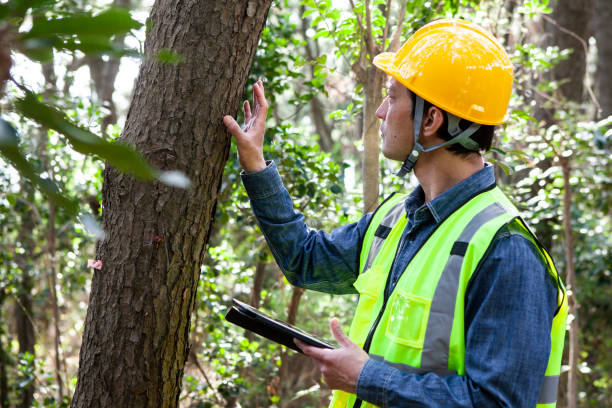
How We Do It: Our Certified Arborist comes to your property to conduct a thorough examination of the trees that have been identified as having health issues. The Arborist will evaluate the condition of the leaves, bark, branches, and visible root system; identify the patterns of the symptoms he observes, take into account the environmental and site conditions surrounding the tree; and identify the underlying causes of the problems he has observed.
Tree Disease Diagnoses and Treatments
The Most Common Tree Diseases We Can Treat:
Fungal Diseases:
- Anthracnose
- Powdery Mildew
- Leaf Spot Diseases
- Rust Diseases
- Root Rot (Phytophthora, Armillaria)
- Canker Diseases
- Dutch Elm Disease
- Apple Scab
Treatment Methods Used To Control Fungal Diseases:
Fungicide Applications: There may be times when it is necessary to apply fungicides to control fungal diseases. Timing is everything when it comes to making fungicide applications. Preventative applications prior to the infection will be the most effective, but there are certain types of fungal diseases that can be treated after they have occurred.
Sanitation: Removing and disposing of infected parts of plants will help to prevent the further spread of the disease. We will remove infected branches from the tree and dispose of them properly. We will also clean up any diseased leaves that fall from the tree and attempt to eliminate any other possible sources of infection.
Pest Control and Insect Management
The Most Common Tree Pests That We Can Manage:
Aphids: These are small, soft-bodied insects that feed on the sap of plants, which can cause curled leaves, produce honeydew, and grow sooty molds.
Scale Insects: Scales are either armored or soft and adhere to the bark and/or leaves of a tree and feed off the sap of the tree, which weakens the tree over time.
Spider Mites: These tiny arachnids cause stippled, yellowed leaves and create fine webs, especially in hot, dry environments.
Our Integrated Pest Management (IPM) Methodology:
Monitoring: Regularly inspecting your trees to detect pest infestations at an early stage when the population is still manageable and before significant damage is done to the tree.
Identification: Correctly identifying the type of pest infestation will ensure that the right treatment method is used to manage the pest population. Different pests require different treatments.
Deep Root Fertilization
What It Is: A liquid fertilizer applied directly to the root zone of the tree via specialized equipment, allowing the roots of the tree to absorb the nutrients where they are needed the most.
Soil Testing and Amendments
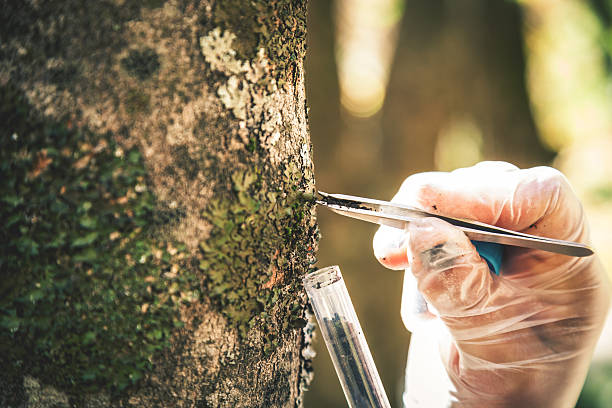
What We Offer: Professional soil testing, pH measurement, nutrient analysis, organic matter analysis, drainage assessment, compaction assessment, and recommendations for amendments.
Our Soil Treatment Services:
Aeration: Using mechanical means to aerate the area around the base of the tree to reduce compaction, improve the amount of oxygen available to the roots, and increase water infiltration into the soil.
Common Tree Pests in Bothell
Identifying Some of the Common Insects That Damage Trees in Bothell
Many insects can cause harm to Pacific Northwest trees. Understanding the most common types of tree-damaging insects helps you find ways to control them before they reach a population level where your trees are severely damaged.
Aphid
Appearance: Aphids are small, soft-bodied insects with a green, black, brown, or gray color. They cluster on new growth and the underside of the leaves.
Harm: The distortion of new growth, the production of honeydew and subsequent development of sooty mold, and the weakening of the tree.
Trees Infested: Almost all species of trees are susceptible to aphid infestation, especially the new growth.
Control Methods: Encourage beneficial insects, use horticultural oil sprays, use insecticidal soap, and apply systemic insecticides for severe infestations.
Time of Year: Most active from Spring through Summer.
Scale Insects
Appearance: Scale insects are small, immobile insects that are protected by either an armored shell or a waxy coating (soft scales).
Damage: Scale insects produce honeydew, which is attractive to ants. Sooty mold grows on the honeydew, and the scale insects cause yellowing of the leaves, branch dieback, and death of branches or small trees due to severe infestation.
Trees Affected: Magnolia, Holly, Dogwood, Fruit Trees, etc.
Methods of Control: Use horticultural oil during the dormant season (Winter) or during the crawler stage (Late Spring/Late Summer). Apply systemic insecticides as needed.
Timing: Timing of the application is important. Dormant oil should be applied in Winter. Crawler-stage sprays should be applied in Late May/Late June.
Spider Mite
Appearance: Spider mites are tiny arachnids (not insects) that are almost invisible unless viewed under magnification. They produce stippling and bronzing of the leaves and create fine webbing.
Damage: Stippled and bronzed leaves, premature leaf drop, weakened trees, and aesthetic damage.
Trees Affected: Spruce, Arborvitae, Juniper, Deciduous Trees during Hot/Dry Weather.
Methods of Control: Spray strong water to dislodge spider mites, spray horticultural oil or insecticidal soap, and apply miticides for severe infestations. Maintaining sufficient moisture can help reduce the susceptibility to spider mite infestation.
Time of Year: Active primarily during Hot/Dry Summer Weather.
Tent Caterpillars and Fall Webworms
Appearance: Caterpillars that create silk tents (Tent Caterpillars) in the Spring and/or webs (Fall Webworms) in the Summer/Fall and feed on the foliage of the tree.
Damage: Defoliation can be significant enough to completely remove the foliage of the tree. Aesthetic damage and stress to the tree can also occur.
Trees Affected: Cherry, Apple, Ash, Willow, and other Deciduous Trees.
Methods of Control: Physically remove the tents/web, use biological insecticides (Bt) for severe infestations.
Time of Year: Tent Caterpillars in Spring, Fall Webworms Late Summer into Fall.